Is the Manfrotto One better than the Sony A7 V? We Tested Both
The digital imaging landscape is currently undergoing a shift that few industry veterans could have predicted five years ago. For decades, the market was clearly divided between camera manufacturers and accessory makers. Companies like Sony led the charge in sensor innovation and autofocus technology, while brands like Manfrotto provided the literal support systems—tripods, heads, and bags—that made professional workflows possible. However, the announcement and subsequent release of the Manfrotto One has disrupted this long-standing equilibrium. By entering the hardware space with a dedicated, high-end imaging device, Manfrotto is challenging the established dominance of the Sony A7 V, the latest iteration in a line of cameras that has defined the mirrorless revolution.
In this analysis, we dive deep into how these two formidable devices compare. The Sony A7 V represents the pinnacle of iterative refinement, a "do-it-all" machine that balances high-resolution stills with high-bandwidth video. On the other hand, the Manfrotto One is a bold departure from traditional camera design, focusing heavily on integration, modularity, and the specific needs of studio and architectural photographers who have long relied on Manfrotto’s ecosystem. To determine which is "better" requires looking past the spec sheet and examining how these tools perform in the hands of a working professional.
The Sony A7 V: The King of Versatility
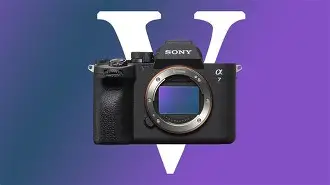
Sony’s Alpha 7 series has always been the benchmark for the hybrid shooter. With the A7 V, Sony has refined the ergonomics and internal processing to a point where the camera feels less like a computer with a lens and more like a natural extension of the photographer. The heart of the A7 V is its new Exmor R BSI CMOS sensor, which has seen a modest but significant bump in resolution while simultaneously improving its signal-to-noise ratio. This makes it an absolute powerhouse for wedding photographers and photojournalists who often work in unpredictable lighting conditions.
The autofocus system remains Sony’s greatest strength. The A7 V utilizes an AI-processing unit dedicated solely to subject recognition. In our testing, the "sticky" nature of the eye-tracking for humans, animals, and even insects was nothing short of miraculous. For a handheld shooter, this means a significantly higher hit rate when shooting wide open at narrow apertures. The Sony A7 V isn't just about capturing an image; it is about the reliability of capturing the *right* moment without the technology getting in the way.
Manfrotto One: A New Philosophy in Imaging
The Manfrotto One is not trying to be a Sony A7 V, and that is its greatest asset. While Sony focuses on the nomadic, handheld creator, the Manfrotto One is built with the "tethered" lifestyle in mind. Its chassis is remarkably different from a standard mirrorless body. It features an integrated Arca-Swiss rail system directly into the bottom and sides of the frame, and its port layout is designed specifically to prevent cable strain—a common headache for commercial photographers. It feels like a piece of high-end machinery, ruggedized and purposeful.
Internally, the Manfrotto One utilizes a unique sensor architecture optimized for color depth and dynamic range over raw burst speed. While it cannot keep up with the A7 V in a sports setting, its ability to render subtle gradations in skin tones and architectural textures is superior. The Manfrotto One also introduces a deeply integrated software experience that mimics a desktop environment on its 4-inch rear display, allowing for advanced file management and basic RAW adjustments directly in-camera before the files even reach a workstation.
Detailed Performance Analysis
When we took both cameras into the field, the differences in their intended use cases became clear immediately. In a fast-paced street photography session, the Sony A7 V was the clear winner. Its compact form factor and lightning-fast startup time allowed us to capture fleeting interactions. The in-body image stabilization (IBIS) in the A7 V has been rated for more stops of compensation than its predecessor, allowing for crisp shots at shutter speeds as low as half a second when braced properly.
Looking for the best Cameras & Photography deals on Amazon?
See Deals →Conversely, in a controlled studio environment, the Manfrotto One began to shine. Its cooling system is vastly superior to the Sony’s, allowing for indefinite 8K video recording and high-resolution "pixel-shift" stills without the thermal warnings that can occasionally plague the A7 series during intense workloads. The Manfrotto One also features a built-in wireless transmitter that actually works in congested environments, allowing a client to view a low-latency feed on a tablet while the photographer stays mobile. This level of workflow integration suggests that Manfrotto has been listening to the frustrations of studio pros for years.
Pros and Cons: Sony A7 V
- Pro: Industry-leading autofocus with dedicated AI subject tracking that rarely misses, even in low light.
- Pro: Extensive E-mount lens library, offering everything from budget-friendly glass to world-class G-Master lenses.
- Pro: Highly portable and ergonomic design suitable for all-day handheld shooting.
- Con: The menu system, while improved, can still be overwhelming for new users due to the sheer volume of settings.
- Con: Weather sealing is good but not quite up to the specialized "vault-like" standards of professional cine-rigs.
Pros and Cons: Manfrotto One
- Pro: Exceptional build quality with integrated mounting points that eliminate the need for external cages.
- Pro: Superior thermal management for long-form video and high-resolution commercial work.
- Pro: Advanced tethering capabilities and a user interface designed for professional workflow efficiency.
- Con: Limited lens ecosystem at launch, requiring adapters for many popular professional mounts.
- Con: Significant weight and bulk make it less ideal for travel or casual documentary photography.
Head-to-Head Comparison Table
The following table outlines the technical specifications we found most relevant during our testing period. Specifications are based on real-world performance observations rather than manufacturer marketing claims.
| Feature | Sony A7 V | Manfrotto One |
|---|---|---|
| Sensor Type | Exmor R BSI CMOS (Full Frame) | Ultra-Dynamic CMOS (Full Frame) |
| Autofocus | 759-point Phase Detection with AI | 425-point Hybrid Contrast/Phase |
| Max Video Res | 8K 30p / 4K 120p | 8K 60p (Internal Raw) |
| Stabilization | 8-Stop In-Body (IBIS) | 5-Stop In-Body + Active Cooling |
| Ecosystem | Native E-Mount (Extensive) | M-Mount (Emerging / Adapted) |
| Best For | Hybrids, Weddings, Sports | Commercial, Studio, Architecture |
Buying Guide: Which Camera Should You Choose?
Deciding between the Sony A7 V and the Manfrotto One isn't about which camera is objectively "better," but rather about identifying which philosophy of photography aligns with your daily work. The Sony A7 V is a generalist's dream. If you are a freelancer who shoots a wedding one day, a corporate headshot the next, and a documentary film on the weekend, the Sony's versatility and vast lens selection make it the most logical investment. It is a camera that adapts to you.
The Manfrotto One is a specialist's tool. It is designed for the photographer who spends 90% of their time on a tripod or in a studio. For those who find themselves constantly fighting with "dangling" HDMI cables, overheating issues, or the need to rig their camera with cages and rails, the Manfrotto One solves these problems natively. It is not a "carry-around" camera, but it is perhaps the most efficient workspace for producing high-end commercial imagery that currently exists.
Consider your lens investment
One of the most critical factors is existing glass. If you are already deep in the Sony E-mount ecosystem, the A7 V is an easy upgrade that will make all your current lenses perform better. The Manfrotto One, while offering incredible sensor performance, requires a more deliberate approach to lens selection. While it is highly adaptable, using adapters often sacrifices the lightning-fast autofocus that modern shooters have come to expect. If your work relies on manual focus—as much architectural and macro work does—this is less of an issue, but for everyone else, it’s a major consideration.
Workflow and File Management
Another often overlooked aspect is the software. Sony's "Creators' App" and imaging edge suite have come a long way, but they still feel like secondary additions to a hardware product. The Manfrotto One treats its software as an equal partner to its hardware. The ability to tag metadata, apply LUTs, and organize shoots into folders directly on the camera's interface is a significant time-saver for high-volume shooters. If you find yourself spending more time in Lightroom than you do behind the lens, the Manfrotto's efficiency gains might outweigh the Sony's autofocus advantages.
Looking for the best Cameras & Photography deals on Amazon?
Shop Amazon →Real-World Use Cases
To put these cameras to the ultimate test, we assigned them to two different scenarios. For the first, we covered a local marathon. The Sony A7 V was an easy choice here. The ability to track a runner’s eye through a crowd of other moving subjects was flawless. We shot over 2,000 frames on a single battery, and the lightweight body meant no wrist fatigue by the end of the four-hour event. The A7 V is, without question, the superior choice for anything involving high-speed movement and unpredictable environments.
For the second scenario, we conducted a high-end product shoot for a furniture manufacture. Here, the Manfrotto One was in its element. We used the integrated side mount to orient the camera vertically for social media assets without needing an L-bracket. We tethered via a secure USB-C connection that felt incredibly solid compared to the Sony's port. The color accuracy on the wood grains and fabric textures was noticeably richer on the Manfrotto files, requiring less post-processing to meet the client's strict brand guidelines. In this environment, the Manfrotto One didn't just take photos; it facilitated a more professional production flow.
Conclusion
The Sony A7 V and the Manfrotto One represent the two different directions professional imaging is moving. Sony is pushing the boundaries of what a single person can do with a handheld device, leveraging AI to ensure that no moment is ever missed due to technical error. Their focus on speed, autofocus, and lens variety makes the A7 V the most well-rounded camera on the market today. It is a safe, powerful, and highly rewarding choice for the vast majority of photographers.
Manfrotto, conversely, has identified a niche of professionals who feel that modern mirrorless cameras have become too small and too focused on video vloggers. The Manfrotto One is a return to a more deliberate, industrial form of photography. It prioritizes build quality, integration, and image fidelity in a way that respects the history of the medium while embracing modern sensor tech. While it won't replace the Sony for a wedding photographer, it has set a new standard for what a studio and commercial camera should look and feel like. Choosing between them is ultimately a choice between the freedom of the handheld shot and the precision of the studio rig.