Difference Between Tcl Qm8K and Anker Nebula X1 Explained
Introduction
When choosing a display solution for movies, gaming, or everyday TV watching, buyers increasingly weigh traditional television sets against advanced portable projectors. The Tcl Qm8K and the Anker Nebula X1 represent two different philosophies: one oriented toward a fixed, high-performance TV experience and the other toward flexible, projector-based viewing. This article unpacks the practical differences between these two products, focusing on real-world use cases, what buyers typically care about, and the trade-offs that determine which option makes the most sense for a given household.
Overview: Two Approaches to Home Viewing
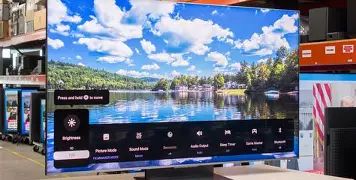
The Tcl Qm8K is positioned as a modern TV offering — a purpose-built display with features designed for daily viewing in a living room or dedicated home theater. Its strengths typically lie in steady brightness, ease of use, and the built-in smart TV ecosystem that integrates broadcast and streaming content.
The Anker Nebula X1 takes a different route: a smart projector that emphasizes flexibility. Projectors like the Nebula X1 are chosen for their ability to scale image size, support temporary or mobile installations (such as outdoor movie nights or multi-room use), and offer a cinematic, large-screen experience where a large TV would be impractical.
Detailed Product Analysis
Tcl Qm8K — What it delivers and where it shines
The Tcl Qm8K embodies what many buyers expect from a contemporary TV: stable brightness suited to living-room lighting, consistent color and contrast handling for everyday content, and convenient integration with cable or antenna signals if that is part of the household setup. For viewers who prioritize a plug-and-play experience and crisp performance for HDR-enabled movies or fast-paced sports, a dedicated TV frequently delivers the fewer compromises path.
Key practical advantages stem from the fixed display architecture: no worries about projecting distance, wall surface, or ambient light control. The Tcl Qm8K typically focuses on delivering reliable peak brightness and local dimming strategies (if included) to improve contrast in dark scenes. Additionally, a TV often yields lower input lag compared with many projectors, making it favorable for console gaming.
Anker Nebula X1 — What it delivers and where it shines
The Anker Nebula X1 targets buyers who want a large-screen, cinematic feeling without permanently dedicating a wall to a TV. Projectors are suitable for households that host gatherings, use multi-room layouts, or frequently watch content in varying locations. The Nebula X1 emphasizes portability, ease of setup, and the ability to scale the image up to sizes well beyond what most living-room TVs provide.
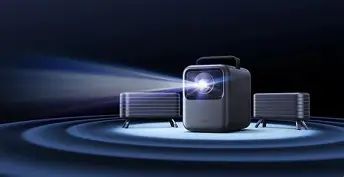
Projector advantages include the dramatic scale of the image, space savings (no big panel on the wall), and a unique viewing aesthetic that can feel more like a cinema when ambient light is controlled. The Nebula X1 also typically integrates smart streaming features and onboard speakers, which can be sufficient for casual viewing and portable deployments.
Shop the latest TVs & Home Theater picks on Amazon.
See Deals →Real-World Use Cases
- Living room daily TV and sports: Buyers who watch TV most evenings and need consistent picture quality with minimal setup time will favor the Tcl Qm8K.
- Dedicated home theater rooms: In a properly darkened room with a large screen surface, a projector like the Anker Nebula X1 can produce a more cinematic image at a lower cost per diagonal inch than a comparably large TV.
- Apartment or flexible living: Renters or those who move frequently often prefer a projector because it avoids permanent wall installations and can be taken to another home.
- Outdoor and party use: For backyard movie nights or temporary events, the Nebula X1’s portability and ability to throw a large image are decisive.
- Gaming and competitive play: Players who prioritize the lowest possible input lag will usually lean toward a TV like the Tcl Qm8K, unless a projector specifically advertises and measures competitive-grade latency.
Pros & Cons
Tcl Qm8K — Pros & Cons
- Pros:
- Consistent brightness suitable for daytime and well-lit rooms
- Simple, plug-and-play experience with built-in smart TV features
- Usually lower input lag for gaming
- Long-term reliability with no lamp replacements to track
- Cons:
- Large sizes become expensive compared with projector setups
- Fixed size and placement — less flexible for multi-room use
- Wall space and viewing distance requirements can be restrictive in smaller homes
Anker Nebula X1 — Pros & Cons
- Pros:
- Highly flexible image size scaling — suitable for very large screens
- Portable and suitable for temporary setups and outdoor viewing
- Space-saving when a permanent TV is impractical
- Often provides a cinematic feel in darkened environments
- Cons:
- Ambient light sensitivity — needs dim or dark rooms for best results
- Onboard speakers may be insufficient for serious audio, requiring external sound systems
- Potential for higher perceived input lag for competitive gaming unless specified
- Some projectors require lamp or LED module lifetime considerations
Comparison Table
| Attribute | Tcl Qm8K | Anker Nebula X1 |
|---|---|---|
| Device type | Traditional TV (fixed panel) | Portable projector (throw projector) |
| Best for | Everyday TV watching, bright rooms, gaming | Large-screen viewing, portable setups, outdoor movies |
| Image size | Limited to panel diagonal (typical household sizes) | Scales from small to very large depending on throw distance |
| Ambient light performance | Strong performance in mixed or bright lighting | Best in dim/dark environments; image washed in bright light |
| Portability | Low — fixed installation | High — easy to move and set up |
| Sound | Typically stronger built-in audio suitable for daily TV | Onboard speakers are convenient but often require external audio for better fidelity |
| Gaming suitability | High — lower input lag, gamer-friendly modes | Variable — fine for casual gaming; competitive gamers should verify latency |
| Installation | Simple — place on stand or mount to wall | Requires throw distance, surface or screen, and occasional keystone/trapezoid correction |
| Maintenance | Minimal — mostly software updates | May involve cleaning filters, monitoring lamp/LED lifetime |
| Value per inch | Lower for very large sizes | Often better value for very large image sizes |
Buying Guide: How to Choose Between the Two
Deciding between the Tcl Qm8K and the Anker Nebula X1 comes down to a set of practical considerations tied to use cases, room conditions, and long-term expectations. Below are the key factors buyers typically weigh and how those factors favor one device type over the other.
Room lighting and viewing environment
If the viewing environment cannot be darkened — for example, a living room with large windows or daytime use — a TV like the Tcl Qm8K usually provides a superior image without compromises. Projectors perform best in controlled lighting conditions; even the brightest consumer projectors struggle against direct daylight or strong ambient light.
Desired screen size and space constraints
For viewers who want a very large image (100" or more) but have limited budget or cannot fit a large TV, the Anker Nebula X1’s scalability can be compelling. Conversely, if a medium-sized screen (50–75") is sufficient and space is dedicated, the stability and convenience of a TV often outweigh the projector’s size advantage.
Portability and multi-use needs
Buyers who move frequently, host outdoor movie nights, or need a screen usable across rooms will find the projector option more flexible. A TV is better for settled installations where the device becomes part of the room’s permanent setup.
Audio expectations
Built-in speakers on televisions generally offer a better baseline for everyday viewing. The Anker Nebula X1’s onboard audio is useful for portability and simplicity, but pairing with a soundbar or portable speaker is advisable for an immersive experience.
Gaming and interactive content
Competitive or fast-paced gaming benefits from lower input lag and faster panel response, attributes typically associated with TVs. Projectors are improving in this area, but buyers focused on gaming should verify latency and look for game-specific modes.
Find top-rated TVs & Home Theater products at great prices.
Browse Now →Installation and maintenance
TVs are lower maintenance: plug in, connect, and update software. Projectors may require occasional alignment, keystone correction, and cleaning. Projector light sources also have rated lifespans — LED and laser projectors mitigate the need for lamp changes, but longevity should still be considered.
Budget and value
Cost considerations include the initial purchase price and accessory needs: a projector may need a screen and better speakers; a TV may require mounting hardware or a professional install for the best look. For extremely large screen sizes, projectors often deliver a better cost-per-inch proposition.
Connectivity and smart features
Both types typically offer smart platforms for streaming apps, but the integration level varies. TVs often provide smoother channel switching and better tuner options for broadcast TV; projectors frequently run mainstream streaming platforms as well, making both suitable for streaming-focused households.
Practical Buying Checklist
- Measure the room: Know available wall space, throw distance for projectors, and seating distance for TV diagonal.
- Test in ambient light: If possible, view demonstrations in similar lighting to the intended room.
- Consider audio: Budget for a soundbar or external speakers if planning a projector-based setup.
- Verify latency: Gamers should check manufacturer latency figures or independent test results.
- Plan for portability: If moving the device or using it outdoors is likely, favor the projector for its flexibility.
- Check long-term support: Review warranty terms, software update policy, and service options.
- Factor in upkeep: Understand whether lamps, filters, or other consumables are required for projector models.
Conclusion
The decision between the Tcl Qm8K and the Anker Nebula X1 depends on core lifestyle and environmental factors. The Tcl Qm8K suits those who want a dependable, ready-to-use TV experience with solid brightness and low-latency performance for gaming and daytime viewing. The Anker Nebula X1 appeals to buyers who prioritize a flexible, large-scale cinematic image and portability for multi-room or outdoor use, accepting the need for darker viewing conditions and potential audio upgrades.
In practice, a family prioritizing everyday convenience and bright-room performance will often find the Tcl Qm8K the more straightforward choice. Conversely, viewers seeking occasional big-screen cinema experiences, portability, or the ability to scale the image dramatically without spending on ultra-large TVs will appreciate the strengths of the Anker Nebula X1. Evaluating the specific room characteristics, typical content habits, and accessory needs will guide the best purchase for any household.