A Professional's Take on the New Sundara 2020
Category: Audio
Introduction
The Sundara 2020 enters the crowded mid-fi headphone landscape as an evolution of a model that already earned attention for bringing planar-magnetic technology to a price-sensitive audience. This article provides a professional, third-person evaluation of the Sundara 2020 with a focus on real-world use, buyer priorities, and practical considerations. The goal is to move beyond marketing language and help prospective buyers understand what the Sundara 2020 does well, where it might not suit everyone, and how it compares to alternatives people commonly consider.
At a Glance: What the Sundara 2020 Aims to Be
The Sundara 2020 is positioned as an open-back, over-ear headphone built around planar-magnetic drivers. That combination aims to deliver a neutral to slightly bright presentation with strong detail retrieval and an expansive soundstage relative to dynamic-driver headphones at a similar price point. The design intent is clear: bring the sonic strengths of planar magnets—fast transient response, low distortion, and controlled driver movement—to listeners who want critical listening capability without stepping into the higher-cost audiophile tiers.
Detailed Review and Analysis
Design and Build Quality
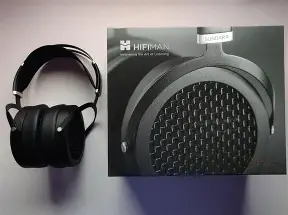
Physically, the Sundara 2020 follows a minimalist aesthetic. The headband and yoke design prioritize lightweight comfort while maintaining structural rigidity for daily use. Materials mix metal and high-grade plastics, striking a balance between durability and cost. The ear pads are typically plush and breathable, designed to complement the open-back architecture by keeping the ear properly positioned without causing overheating during long sessions.
From a serviceability standpoint, the Sundara 2020 adopts user-friendly features such as detachable cables and replaceable pads. Those elements matter to professionals who expect gear to be part of a long-term toolkit rather than disposable consumer electronics.
Driver Technology and Sound Signature
At the heart of the Sundara 2020 are planar-magnetic drivers. Planars produce sound differently from traditional dynamic drivers: the diaphragm is a thin, uniformly driven surface that often yields a very even and controlled motion. The result is typically low distortion and a smooth midrange. For the Sundara 2020, this technology manifests as an emphasis on clarity and micro-detail. Instruments and vocals sit forward and well-defined, with a treble presentation that can extend and reveal air and texture.
Low-frequency performance in planar designs tends to be accurate and well-controlled rather than artificially emphasized. The Sundara 2020 provides bass that is articulate and precise—suitable for mixing and analytical listening—but listeners seeking chest-thumping, boosted sub-bass will find it restrained compared to bass-forward consumer headphones.
Soundstage and imaging are often cited strengths. Because the drivers can react uniformly across their surface, spatial cues are rendered with convincing separation. The Sundara 2020 typically presents a wider and deeper stage than many closed-back alternatives, which benefits critical listening, orchestral recordings, and immersive gaming where positional detail matters.
Power Requirements and System Pairing
Sundara 2020 performs best when paired with a source outside the lowest-power smartphone outputs. While the headphones are not extraordinarily difficult to drive, an external headphone amplifier or a music player with a decent line-level output will unlock more dynamic range and headroom. For desktop users, a modest-quality DAC/amp will push the Sundara 2020 to its best performance. For mobile users, consider portable amps that add a little current and clean voltage rather than simple volume-boosting solutions.
Discover deals on Audio & Headphones — updated daily.
See Deals →Comfort for Extended Use
Because many buyers use mid-fi headphones for long listening sessions—editing, mixing, or simply enjoying music—the Sundara 2020’s comfort is a critical metric. The open-back design avoids the feeling of ear heat and pressure build-up, and the clamping force tends to be balanced to allow hours of wear without fatigue. Still, head shape and personal preference affect fit; trying headphones on where possible remains best practice.
Noise Isolation and Use-Case Limitations
Being open-back, the Sundara 2020 leaks sound both in and out. In quiet listening rooms, this is a benefit—the headphones breathe and create a natural listening environment. In shared or noisy spaces, the Sundara 2020 is not the ideal choice. Buyers who need isolation for commuting, airplane use, or work in loud offices should consider closed-back alternatives.
Durability and Long-Term Ownership
Materials and build quality suggest a product designed to last with normal care. The presence of replaceable parts, such as pads and cables, extends longevity. Nevertheless, planar diaphragms require careful handling to avoid damage from liquid ingress or physical impact; routine maintenance like keeping the pads clean and storing the headphones in a protective case will help preserve performance.
Pros & Cons
- Pros:
- Excellent clarity and detail retrieval for critical listening and mixing.
- Expansive soundstage and accurate imaging beneficial for orchestral works and spatial audio.
- Controlled, articulate bass suitable for analytical tasks.
- Comfortable for long sessions due to lightweight build and breathable pads.
- Detachable cables and replaceable pads improve serviceability and lifespan.
- Generally favorable price-to-performance ratio in the planar-magnetic category.
- Cons:
- Open-back design leads to poor isolation; not suited to noisy or public environments.
- Treble can be perceived as bright on some recordings—may cause listening fatigue for sensitive ears.
- Requires a competent source or amp to reach peak performance; not ideal on low-power outputs alone.
- Less pronounced sub-bass for listeners who prefer a heavy low-end response.
- Planar drivers are more fragile to mishandling than some rugged dynamic designs.
Comparison Table
| Feature | Sundara 2020 | Typical Dynamic-Driver Mid-Fi Headphone | Higher-End Planar Competitor |
|---|---|---|---|
| Driver Type | Planar-magnetic | Dynamic | Planar-magnetic (upgraded) |
| Sound Signature | Neutral to slightly bright; detailed mids | Often warm or V-shaped | Very neutral, highly resolving |
| Soundstage | Wide and airy | Narrower, more intimate | Extremely wide and holographic |
| Bass Character | Accurate and controlled | Stronger punch and emphasis | Deep and precise, more authority |
| Isolation | Poor (open-back) | Better (closed or semi-open) | Poor (open-back) |
| Recommended Use | Critical listening, studio review, home listening | Casual listening, portable use | High-end studio, audiophile listening |
| Price Position | Mid-fi (value-oriented planar) | Varies; often cheaper | Higher price tier |
Real-World Use Cases
Studio Reference and Mixing
Engineers and producers looking for a reference headphone that reveals balance and detail will appreciate the Sundara 2020’s neutrality. It helps identify frequency masking, sibilance, and spatial placement. The headphone’s accurate midrange facilitates vocal and instrument decisions. That said, it should be one of several monitoring tools; cross-checking mixes on speakers and alternative headphones prevents overfitting to any single device’s characteristics.
Critical Listening and Enthusiast Playback
For listeners who prioritize clarity and nuance, the Sundara 2020 performs well with acoustic, classical, and jazz recordings. Its ability to render micro-details, reverb tails, and timbral information makes it satisfying for curated album listening sessions. The open-back character also makes music feel less confined, enhancing immersive albums and live-sounding recordings.
Gaming and Media Consumption
Gamers who want positional accuracy and a natural soundstage may favor the Sundara 2020 for single-player and competitive contexts where sound placement matters. However, its lack of isolation and subdued hyper-bass might disappoint players seeking explosion-heavy, bass-forward impact. For multi-platform media use, pairing with a good amp and equalization can tailor the experience.
Field and Portable Use
The Sundara 2020 is not designed for travel or noisy environments. Its open-back construction makes it inappropriate for commuting or airplane use. For travel, closed-back or active noise-cancelling models will be far more practical.
Buying Guide: What Prospective Buyers Should Look For
1. Intended Use and Environment
Buyers should clearly define where and how they will use the headphones. If the primary environment is a quiet home or studio, the Sundara 2020 fits well. If portability, privacy, or commuting are priorities, consider closed-back alternatives instead.
2. Source and Amplification
Verify the capability of the listening source. The Sundara 2020 benefits from a clean power source that can provide stable current; a mediocre smartphone output will work but will not showcase the headphones’ dynamic and resolution. For desktop setups, a modest DAC/amp from a reputable brand will provide a noticeable step-up. Portable users can evaluate lightweight tube or solid-state portable amps if better drive is required.
Looking for the best Audio & Headphones deals on Amazon?
View Offers →3. Sound Preference: Neutral vs. Colored
Planar headphones tend toward neutrality. If the buyer likes a lively or bass-heavy presentation, they should either audition the headphones first or be prepared to apply EQ. Conversely, listeners who require analytical fidelity will find the Sundara 2020 pleasing out of the box.
4. Comfort and Fit
Comfort can be subjective—try to audition if possible. Check clamp force, pad material, and headband design. For users who wear glasses or have larger ears, pad size and shape matter. Also consider the weight; long studio sessions reward lighter designs.
5. Serviceability and Warranty
Confirm that replacement pads, cables, and support are available and that the warranty covers typical issues. Replaceable parts and a transparent support policy extend the ownership experience and are especially valuable for professionals who rely on consistent performance.
6. Comparison Shopping
When evaluating value, compare the Sundara 2020 against both dynamic-driver mid-fi headphones and higher-tier planars. Assess on criteria of longevity, sonic preference, and ecosystem compatibility (cables, adapters, protective cases). Price alone should not be the deciding factor—fit for purpose matters more.
7. Try Before You Buy
Auditioning in a controlled environment with familiar tracks is strongly recommended. Bring a playlist spanning genres—vocals, complex acoustic mixes, electronic bass-heavy tracks, and film scores—to judge the headphone’s consistency across material.
Maintenance Tips
- Store the headphones in a protective case or on a stand to avoid accidental deformation or damage to the diaphragm.
- Keep pads and headband clean; breathable materials can collect oils and dust over time.
- Avoid exposure to moisture and rapid temperature changes which can affect the driver and adhesive used in manufacturing.
- If the cables are detachable, replace them at the first sign of intermittent contact to prevent further wear to connectors.
Who Should Consider the Sundara 2020?
The Sundara 2020 is an attractive choice for home studio owners, critical listeners, and hobbyist audiophiles who want planar characteristics without entering the high-end price bracket. It appeals to anyone who values clarity, imaging, and the natural feel of an open-back headphone. It is less suitable for frequent travelers, people who need isolation, or listeners who prefer a pronounced bass profile without equalization.
Conclusion
In summary, the Sundara 2020 presents a compelling balance of performance, comfort, and practicality for its target audience. Its strengths lie in clarity, neutral tonal balance, and an expansive soundstage—attributes that serve critical listening, mixing checks, and immersive music enjoyment. The trade-offs are typical of open-back, planar designs: limited isolation and a sound signature that favors accuracy over coloured excitement. For buyers focused on honest reproduction and analytical listening in quiet environments, the Sundara 2020 represents strong value and a sensible long-term choice.