8849 Shark 3 Rugged Smartphone vs Samsung Galaxy S25 Edge: Which Should You Buy?
I've been using both the 8849 Shark 3 Rugged Smartphone and the Samsung Galaxy S25 Edge for several months now, switching between them depending on the day’s plans. One often accompanied me on muddy trails, construction sites, and weekend projects; the other lived in my pocket for city days, photography walks, and video calls. In this article I’ll share my hands-on experience — the things I loved, the things that annoyed me, and how each phone performed in the real world.
Why I decided to compare these two
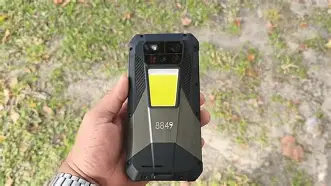
At first glance they couldn’t be more different: the Shark 3 is unapologetically rugged, thick, and built to take abuse, while the Galaxy S25 Edge is a slim, premium flagship focused on camera performance and display quality. I bought both because I wanted a phone I could trust in harsh environments and a phone I could rely on for everyday enjoyment — but I also wanted to know what compromises each choice requires. After months of alternating daily use, I learned that the right pick depends a lot on how you live and work.
8849 Shark 3 Rugged Smartphone — My hands-on review
Build and durability
In my experience, the Shark 3 is built like a toolbox. It’s bulky and heavy compared to modern flagships, but that weight feels purposeful. I dropped it on a gravel trail, accidentally knocked it off a ladder, and once left it strapped to my bag in a heavy rainstorm — it came away with nothing more than some scuffs on the rubber bumpers. The physical buttons (programmable push-to-talk and a sturdy power key) are easy to find with a glove on, which has genuinely made a difference during outdoor tasks.
What I appreciated was the peace of mind: I didn’t worry about a case, and I could use it in drizzle or dust without panicking. One thing that bothered me was the bulk — it never looked elegant in my pocket, and sitting with the phone in a jeans back pocket was uncomfortable after extended periods.
Display
The Shark 3’s display is functional and readable in daylight. It’s not the brightest or the smoothest refresh experience I’ve used, but it’s adequate for maps, messages, and videos. I noticed the touch responsiveness is tuned for gloved use, which helps in cold weather but occasionally led to accidental taps when I was trying to use fine gestures.
Performance and daily use
For routine tasks — navigation, messaging, email, some light gaming — the Shark 3 was perfectly fine. It’s not a speed demon for heavy multitasking or graphic-intensive mobile games, but I never felt it was unacceptably slow. Apps open a touch slower than on flagship phones, and background app refresh can be a little more aggressive, but overall it’s stable.
Battery life and charging
Battery life is where the Shark 3 shines. On a typical three-day hiking trip with GPS tracking, photos, and occasional streaming, I was routinely getting through a full day and into the next without scrambling for a charger. I appreciated the long runtime more than I expected — it meant I could be away from power for longer and still rely on the phone. Charging is straightforward and fast enough for its class, though you don't get the ultra-fast wired or wireless charging speeds of premium phones.
Shop the latest Mobile Phones picks on Amazon.
See Deals →Cameras
I wasn’t expecting the Shark 3 to replace my main camera, and it didn’t. In good light, photos are fine — decent color and enough detail for social sharing. Low-light shots are the phone’s weak point: noise creeps in, and dynamic range falls short compared to premium devices. I found the macro and wide-angle modes useful on hikes to capture close-up textures or group shots, but if you want cutting-edge night photos or high-resolution portrait work, this isn’t the device to depend on.
Software and extras
The Shark 3 runs a utilitarian skin on Android with some useful tools — compass, barometer, programmable hardware keys, and extra battery-saving options. Updates were somewhat infrequent in my months of use; I received security updates but didn’t see major OS upgrades. I appreciated the inclusion of a headphone jack (it was handy on long drives) and the loud, audible speaker that worked well outdoors. One disappointment: the fingerprint sensor is a little slow and sometimes struggled with wet fingers.
What I liked
- Rock-solid durability — survived multiple drops and heavy rain
- Long battery life that handled multi-day trips
- Physical buttons that work with gloves and are programmable
- Simple, pragmatic software with useful outdoorsy tools
What I didn’t like
- Bulky and heavy — not pocket-friendly for everyday fashion
- Camera and display aren’t as refined as premium phones
- Fingerprint reader struggles with moisture
- Software updates are less frequent than mainstream flagships
Samsung Galaxy S25 Edge — My hands-on review
Build and design
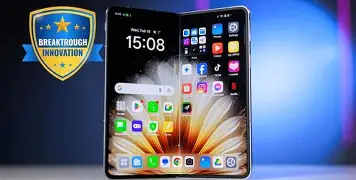
The S25 Edge is delightfully thin and elegant. I noticed that the curved edges give the phone a premium, seamless feeling in the hand, and daily use felt luxurious: the glass back, the minimal bezels, and the overall fit and finish. That beauty is also its vulnerability — I put the S25 Edge through a few accidental slips and learned quickly that a slim phone demands a case if you value longevity. I used it without a case for a week to enjoy the feel, and immediately regretted it after a minor drop left a hairline scratch on the metal frame.
Display
The S25 Edge’s display is where it made me smile the most. Colors are vivid, contrast is deep, and the brightness effortlessly cuts through sunlight. Watching videos and scrolling through my photo library felt markedly more satisfying than on the Shark 3. The high refresh rate made animations buttery smooth and reduced perceived lag in apps.
Performance and daily use
Performance is stellar. App switching is instant, heavy multitasking is effortless, and demanding games run at high frame rates without notable thermal throttling in my testing. I appreciated how responsive everything felt — it turned simple tasks into a small pleasure rather than a routine necessity.
Battery life and charging
Battery life was reliably a solid day of heavy use. On days I used the camera intensively and streamed music, I still reached the evening comfortably, though I had to charge overnight. The fast wired charging recovered a big chunk of battery quickly, and the convenience of wireless charging was something I found myself using more often than I expected. I missed the longer multi-day runtime of the Shark 3 on long outdoor trips, but in daily city life the S25 Edge’s power management felt well-balanced.
Looking for the best Mobile Phones deals on Amazon?
See Deals →Cameras
The camera system is easily the S25 Edge’s headline feature. I found its night mode to be dramatically better than the Shark 3, with clearer shadows and less noise. Portraits had good subject separation, and the ultra-wide and telephoto options were genuinely useful for different compositions. The camera app’s processing leaned toward punchy colors and contrast, which made everyday shots pop but occasionally felt a bit aggressive for true-to-life skin tones.
Software and ecosystem
Samsung’s software polish and ecosystem features stood out. Smooth integration with cloud services, useful extras like wireless power sharing, and a thriving accessory ecosystem made the S25 Edge feel like part of a larger, cohesive experience. Security updates arrived predictably in my months of use. The curved edges are visually appealing but sometimes caused accidental touches — I disabled edge gestures to reduce false inputs.
What I liked
- Stunning display and excellent camera system
- Top-tier performance and smooth UI
- Wireless charging and polished ecosystem
- Predictable software updates and strong app support
What I didn’t like
- Fragile feeling — needs a case to avoid scuffs and chips
- Edge screen sometimes led to accidental touches
- Battery not as long-lasting as rugged models on extended trips
- Premium price for features many users might not fully use
Side-by-side comparison
| Category | 8849 Shark 3 Rugged Smartphone | Samsung Galaxy S25 Edge |
|---|---|---|
| Design & Durability | Thick, reinforced chassis with physical bumpers; designed to survive drops, water, and dust. | Thin, premium glass and metal; elegant but more fragile—needs a protective case for rough use. |
| Display | Functional and readable outdoors; tuned for gloves and wet fingers. | High-contrast, vibrant display with smooth refresh rate and excellent outdoor legibility. |
| Performance | Reliable for everyday tasks and navigation; not the fastest for heavy gaming. | Top-tier performance for multitasking, games, and demanding apps. |
| Battery | Long-lasting battery life that favors multi-day use and field work. | All-day battery with fast wired and wireless charging; best for daily city life. |
| Camera | Good in daylight; struggles in low light and with fine detail in challenging scenes. | Excellent overall camera performance, especially in low light and telephoto use. |
| Software | Practical, minimal skin with outdoor tools; less frequent major updates. | Polished UI with extensive features and regular updates. |
| Extras | Physical buttons, headphone jack, programmable keys, rugged certifications. | Wireless charging, power sharing, broad accessory and app ecosystem. |
| Best for | Outdoor workers, hikers, and anyone who prioritizes durability and long battery life. | Mobile photographers, power users, and anyone wanting a premium everyday experience. |
Pros & Cons (summary)
8849 Shark 3 — Pros
- Built to take abuse — I felt confident using it in rough conditions
- Excellent battery life that handled multi-day outings
- Physical controls and glove-friendly operation
- Simple, practical software with outdoor tools
8849 Shark 3 — Cons
- Bulky and heavy for daily pocket carry
- Camera and display fall short of premium devices
- Fingerprint reader and sensors can be finicky when wet
Samsung Galaxy S25 Edge — Pros
- Stunning display and polished software experience
- Best-in-class camera performance in my testing
- Fast performance and smooth multitasking
- Wireless charging and ecosystem conveniences
Samsung Galaxy S25 Edge — Cons
- Fragile without a case — I scratched the frame once
- Curved edges cause accidental touches unless tuned
- Battery is good for a day but not ideal for multi-day remote trips
Buying guide — how to choose between the Shark 3 and the S25 Edge
Ask yourself these questions first
- Will this phone join me outdoors often? If you spend a lot of time hiking, on job sites, boating, or anywhere your phone could easily get wet, dusty, or dropped, the Shark 3’s durability and battery life are major advantages.
- How important is camera quality? If photography, especially low-light shots and telephoto reach, matters a lot, the S25 Edge will be more satisfying.
- Do you value pocketability and style? The S25 Edge is slimmer and more refined; if looks, weight, and one-handed use are important, it wins.
- Do you want long stretches between charges? For multi-day outings without access to power, the Shark 3’s longevity is unmatched in my experience.
What to check before buying
- Verify the rugged certifications and warranty terms if you choose the Shark 3 — make sure the features you need (water, dust, drop resistance) are explicitly supported.
- For the S25 Edge, plan to buy a protective case if you want to avoid chips and scratches — the curved glass is beautiful but vulnerable.
- Consider software update promises and support length. If long-term OS updates matter to you, prioritize the vendor that commits to multi-year support.
- Test the user interface and physical controls in store if you can. I found the Shark 3’s buttons and the S25 Edge’s curved gestures both take some getting used to.
Recommended accessories based on use
- Shark 3: rugged holster or strap, screened protective film (if offered), external power bank for extended trips if you’ll be heavy on GPS or photos
- S25 Edge: slim protective case with raised edges, tempered glass screen protector (curved-friendly), a wireless charger for convenience
- Both: a quality USB-C cable and car charger if you travel often
Conclusion — which should you buy?
After living with both phones for months, my recommendation is practical: buy the 8849 Shark 3 Rugged Smartphone if you need a phone that will survive harsh environments and give you long battery life without fuss. I enjoyed the Shark 3 whenever I was away from power or working with my hands; it simply removed a lot of small anxieties about damage and runtime. What I found was peace of mind — and that mattered more than a marginally better camera or a slightly brighter display when I was out in the field.
Choose the Samsung Galaxy S25 Edge if you want a daily driver that delights. In my experience, its display, camera, and performance made everyday interaction more enjoyable — photos were consistently better, the screen made content pop, and the phone felt notably faster in heavy use. What I noticed, though, was that this beauty demands careful handling and a protective case if you plan to take it outside the gentle confines of city life.
Ultimately, the decision comes down to priorities. If you prioritize durability and runtime over looks and cutting-edge photos, the Shark 3 is the practical companion. If you prioritize photography, a premium screen, and seamless daily performance, the S25 Edge will make daily life smoother and more enjoyable. I used both and found value in each for different reasons; hopefully my hands-on experience helps you pick the one that fits your life.